Sliding Windows vs Casement Windows: Key Differences & Which to Choose
During the renovation process, the selection and installation of doors and windows is an important step.
Choosing the right type of window directly affects the living experience and the aesthetics of the home.
The two most common types of windows on the market are casement and sliding windows.
Both have pros like airflow, energy savings, and ease of use but they serve totally different purposes.
In this guide, we will compare the differences between the two in terms of applicability and performance.
Key Differences Between Casement and Sliding Windows

Opening method & Ventilation
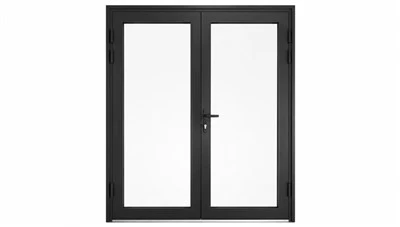
Casement windows feature a hinged design and swing outward when you open the window, typically using a crank handle.
Available in inward or outward opening configurations. While inward-opening occupies interior space, it facilitates easier cleaning.
Windows that open outward save all interior space, but strong winds can damage them in high-rise buildings.
We can choose the best way to open windows and control how much fresh air comes in.
When fully opened, the large opening area facilitates the optimal flow of air between indoor and outdoor spaces.
The design ensures unrestricted air movement, establishing seamless airflow paths to achieve maximum ventilation performance.
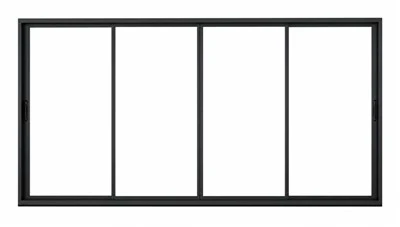
Sliding window systems demonstrate superior operational ease in both opening and closing functions.
All you need to do is slide the window sash to control the opening and closing.
The track system lets the window slide open space-efficiently, but limits opening to 50% of the area.
The airflow path is relatively narrow, making ventilation less efficient than casement windows.
However, sliding windows allow you to adjust the size of the opening at any time.
This makes them suitable for situations requiring minimal ventilation or nighttime airflow.
For example, you can keep the window slightly open while sleeping to allow for ventilation while ensuring safety.
Sealing & Energy Efficiency
Sealing directly affects the thermal insulation, sound insulation, and waterproofing performance of windows.
In this regard, casement windows are particularly outstanding.
They feature multiple sealing strips to prevent air leaks, keeping heat in and cold out for better insulation.
When closed, windows fit tightly into the frame, effectively blocking wind, rain, dust, and noise.
In contrast, sliding windows require a 3-5 mm gap between the window sash and frame because of design considerations.
Even with weather stripping installed, the sealing performance is not as good as that of casement windows.
In stormy weather, rainwater can easily seep into the room through the gaps;
In winter, cold air can also enter through the gaps, affecting the indoor temperature.
The sealing performance also effectively blocks sound from entering the room through air transmission, thereby improving sound insulation.
Overall, casement windows offer better sealing than sliding windows. As energy efficient windows they have better performance.


Safety
Safety is an important factor that homeowners should not overlook when choosing windows.
Casement windows are strong and secure. The robust multi-point locking systems equipped on these windows significantly enhance their resistance to forced entry.
Outward-opening windows usually have safety features like latches and guardrails to prevent them from accidentally falling.
Inward-opening windows do not pose a risk of falling from a height, making them safer for households with elderly people, children, or pets.
Thanks to the structure of sliding windows, their locking mechanisms are relatively simple.
They have weaker anti-theft performance, making it easier for burglars to pry them open and enter the room.
Over time, sliding windows' tracks can wear out, making the panels loose and unsafe.
However, installing anti-theft locks and safety grilles can enhance the safety of sliding windows to some extent.
Cost of Sliding Windows vs Casement Windows
Generally speaking, under the same material and size, sliding windows are cheaper than casement windows.
Sliding windows have a simple structure, are easy to install, and have relatively lower production and construction costs.
Casement windows cost more because they need better hardware, stronger seals, and skilled installation.
For those with a limited budget, sliding windows offer better value for money;
While for users seeking high quality and performance, casement windows, though more expensive, provide a superior user experience.
For those seeking top-quality windows, casement windows are worth the additional cost for their superior performance.
Both come in various product lines, including vinyl, wood, and aluminum, affecting windows cost.
Among them, vinyl windows offer excellent value for money.They are affordable, durable, and long-lasting.
Their excellent thermal insulation properties help homeowners reduce their energy costs throughout the year.
Aluminum alloy windows offer the best durability and service life.
However, if energy efficiency is a priority, it is necessary to upgrade to thermal break aluminum profiles.
The price is relatively high, but it is a good long-term investment choice.
Finally, wooden windows are susceptible to environmental influences and require frequent and careful maintenance.
The maintenance costs are high, and the price is not cheap.
Consider wooden windows only for their aesthetic appeal; for practical reasons, other materials may be more suitable.