What is the main drawback to the use of a casement window?
Casement windows have long been a popular choice for homeowners due to their many benefits. They offer excellent ventilation, a wide viewing area, and easy operation. However, like any other type of window, casement windows also come with their drawbacks. In this article, we will explore the main drawback to the use of a casement window.
Casement Window Overview
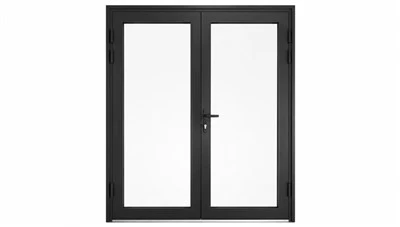
Before we uncover the main drawback of casement windows, let''s first understand what they are and how they differ from other types of windows. Casement windows are hinged on one side and open outward, much like a door. They are usually operated by a crank mechanism, allowing for easy opening and closing.
One of the main advantages of casement windows is their ability to provide excellent airflow. When fully opened, they create an unobstructed path for fresh air to enter the room, making them ideal for areas that require good ventilation, such as kitchens and bathrooms. Additionally, casement windows often feature a single pane of glass, providing a clear and uninterrupted view of the outside world.
Now, let''s delve into the main drawback of using casement windows.
Limited Security
The main drawback to the use of casement windows is their limited security compared to other types of windows. While most modern casement windows come with built-in locking mechanisms, they are still more vulnerable to break-ins than windows that open vertically, such as double-hung or sliding windows.
The design of casement windows makes them susceptible to forced entry. Since they can be opened fully, an intruder may be able to easily remove the entire window unit from its frame by dislodging the hinge pins or breaking the glass. Even with a sturdy locking mechanism, the hinged nature of casement windows makes them more prone to tampering.
To address this security concern, homeowners can take certain precautions. Installing window security bars or grilles can significantly enhance the security of casement windows. These measures act as a deterrent, making it difficult for intruders to gain access to the house through the windows. Additionally, using laminated or tempered glass can make it harder to shatter the window, providing an extra layer of protection.
Weather Vulnerability
Another drawback of casement windows is their vulnerability to certain weather conditions. Due to their outward-opening design, casement windows are more prone to damage during heavy winds, storms, or hurricanes.
When strong winds hit the exterior of casement windows, the wind pressure can create a force that pushes against the window, potentially causing it to rattle, leak, or even break. The larger the window, the more susceptible it becomes to these weather-related issues.
To mitigate this drawback, it is essential to choose high-quality casement windows that are well-constructed and properly installed. Reinforced frames and impact-resistant glass can help enhance the window''s ability to withstand harsh weather conditions. Additionally, regular maintenance and inspection to identify any potential issues can prevent or minimize damage to casement windows during storms.
Limited Size Options
Compared to some other types of windows, casement windows have limited size options. The mechanical requirements of casement windows, particularly the crank mechanism, impose certain constraints on their size and weight.
For larger or oversized window openings, casement windows may not be a viable option. As the window size increases, the weight of the window sash also increases, putting additional strain on the hinges and crank mechanism. This can result in difficulty operating the window and may lead to premature wear and tear.
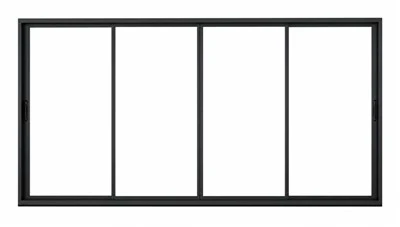
In situations where large window openings are desired, homeowners may need to consider alternative window types such as picture windows or sliding windows. These window types can accommodate larger sizes without compromising their functionality.
Conclusion
While casement windows offer numerous benefits, including excellent ventilation and unobstructed views, they do have a main drawback: limited security. The hinged design of casement windows makes them more vulnerable to break-ins compared to other window types. However, homeowners can enhance the security of casement windows by adding additional security measures, such as window bars or laminated glass.
Additionally, casement windows are more susceptible to damage during severe weather conditions due to their outward-opening design. Choosing high-quality windows with reinforced frames and impact-resistant glass can help mitigate this vulnerability.
Lastly, casement windows have limited size options due to the constraints imposed by the crank mechanism. For larger window openings, alternative window types may be more suitable.
Overall, understanding the drawbacks of casement windows allows homeowners to make informed decisions when selecting windows for their homes. Balancing the benefits and drawbacks is crucial in ensuring both functionality and security in the choice of windows.