Are Aluminium Doors Any Good?
Aluminium doors have gained popularity in recent years for their durability, aesthetics, energy efficiency, and overall functionality. In this article, we will delve into the various benefits of aluminium doors, as well as address any concerns or drawbacks associated with them.
Advantages of Aluminium Doors
1. Excellent Durability: Aluminium is known for its exceptional strength and resistance to corrosion, making it an ideal material for doors. Unlike wooden doors that can warp, rot, or become infested with termites, aluminium doors are highly resistant to these issues. They are also less likely to crack or dent compared to doors made from other materials, ensuring long-lasting performance.
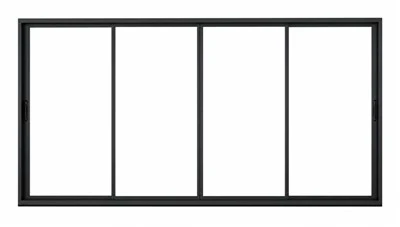
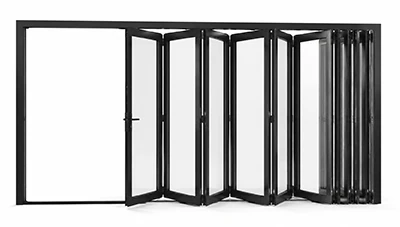
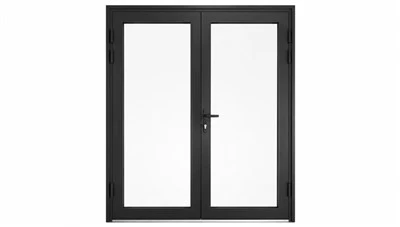
2. Aesthetically Pleasing: Aluminium doors come in a wide variety of designs, styles, and finishes, making them suitable for various architectural styles and personal preferences. They can be sleek and modern, or they can mimic the appearance of traditional wooden doors, perfectly blending in with the overall design of a home or building.
3. Energy Efficiency: Aluminium doors offer excellent thermal insulation, helping to keep the interior of a building warm in winter and cool in summer. They can be fitted with double or triple glazing to further enhance energy efficiency and reduce noise transmission. This results in lower energy costs and a more comfortable living or working environment.
4. Low Maintenance: Unlike wooden doors that require regular painting or staining to maintain their appearance, aluminium doors are virtually maintenance-free. They do not fade, peel, or require any special treatments. A simple routine cleaning is all that is needed to keep them looking great for years.
5. Environmentally Friendly: Aluminium is a highly sustainable material as it can be recycled indefinitely without losing its properties. Opting for aluminium doors helps reduce the environmental impact associated with the production and disposal of traditional materials.
Drawbacks and Concerns
While aluminium doors offer numerous benefits, there are some concerns that potential buyers and users may have:
1. Cost: Aluminium doors can be more expensive compared to other materials such as PVC or wood. However, the long-term benefits and durability of aluminium doors often outweigh the initial higher cost.
2. Conductivity: Aluminium is a highly conductive material, and this characteristic can impact the energy efficiency of the doors. However, this concern can be mitigated by using thermal breaks or insulation methods during the manufacturing process. It is important to consider the energy efficiency ratings and insulation features when selecting aluminium doors.
3. Limited Color Options: Unlike wood or PVC, aluminium is not available in as many color options. However, aluminium doors can be painted or powder-coated to match any desired color, allowing for some customization.
4. Noise Transmission: Although aluminium doors provide good sound insulation, they may not be as effective as solid wood doors in blocking out external noise. This can be a concern for those living in noisy environments.
5. Condensation: In certain climates or extreme weather conditions, aluminium doors can experience condensation on the surface. However, this issue can be minimized by selecting doors with appropriate seals and implementing proper ventilation within the building.
Conclusion
In conclusion, aluminium doors have proven to be a popular choice for many homeowners and businesses due to their durability, versatility, energy efficiency, and low maintenance requirements. While there are some concerns associated with aluminium doors, these can be addressed through proper design, installation, and maintenance practices. Overall, aluminium doors offer a great combination of aesthetics, functionality, and longevity, making them an excellent choice for various applications.