How do you tell what swing a door is?
Doors are an essential part of our everyday lives. We encounter them wherever we go - at home, in office buildings, schools, and even in shopping malls. Most of us probably don''t pay much attention to the way doors swing open and close, but have you ever wondered how to determine the swing of a door? In this article, we will explore various methods and techniques to help you identify the swing of a door.
Before we dive into the details, it''s important to have a basic understanding of door terminologies. There are two primary door swing types: inswing and outswing. An inswing door opens into a room or building, while an outswing door opens away from the room or building. It''s also worth noting that there are left-handed and right-handed doors. When facing a door, a left-handed door will have the knob or handle on the left side, while a right-handed door will have the knob or handle on the right side.
Analyzing the Hinges
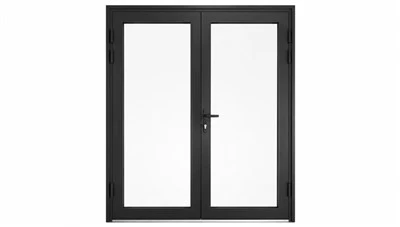
One of the easiest ways to determine the swing of a door is by examining the hinges. Hinges play a crucial role in the movement of a door and can provide valuable clues about its swing. Most doors have two or three hinges, situated either on the left or right side. By studying the position of the hinges, you can deduce the swing of the door.
If the hinges are located on the left side as you face the door, it is likely an inswing left-handed door. Conversely, if the hinges are on the right side, you are likely looking at an inswing right-handed door. However, if the hinges are positioned on the opposite side as expected, for example, hinges on the right side for a left-handed door, it may indicate the door has been improperly installed or customized.
Outswing doors are a bit trickier to determine using the hinge method. Since the hinges are on the outside, they are not visible when the door is closed. In this case, you will need to open the door and inspect the hinges from the inside. If the hinges are on the left side, you have an outswing left-handed door. If the hinges are on the right side, it is an outswing right-handed door.
Observing the Stop Molding
Another method to identify the swing of a door is by analyzing the stop molding. Stop molding is a thin strip of wood or plastic that lines the door frame and serves as a stopping point for the door. By inspecting the stop molding, you can determine the swing of the door.
For an inswing door, the stop molding will be visible on the same side as the door opens into the room. If the molding is on the left side, it is an inswing left-handed door. If the molding is on the right side, it is an inswing right-handed door.
Outswing doors, on the other hand, will have stop molding on the opposite side of the swing as the door opens. If the molding is on the left side, you have an outswing right-handed door. If the molding is on the right side, you have an outswing left-handed door.
Examining the Knob or Handle
The position of the knob or handle can also provide clues about the swing of a door. This method is particularly useful when there are no visible hinges or stop molding to analyze. By observing the knob or handle, you can determine whether the door is left-handed or right-handed.
If the knob or handle is on the left side of the door as you face it, it is a left-handed door. Likewise, if the knob or handle is on the right side, it is a right-handed door. This method is simple and effective for both inswing and outswing doors, as it relies solely on the position of the knob or handle.
Seeking Assistance from Professionals
While the methods mentioned above are generally reliable, there may be instances where determining the swing of a door becomes a challenge. Complex door designs, unusual installations, or alterations to the original door can make it difficult to identify the swing accurately. In such cases, it is advisable to seek assistance from door professionals such as carpenters or locksmiths.
Door professionals have the expertise and experience to accurately determine the swing of a door, even in unique situations. They may use specialized tools or techniques, such as measuring the reveal, to provide an accurate assessment. If you find yourself struggling to identify the swing of a door, don''t hesitate to consult a professional for guidance.
Conclusion
Determining the swing of a door is a valuable skill that can come in handy in various situations. Whether you are renovating a room, moving furniture, or simply curious about the doors in your surroundings, knowing how to identify the swing can save you time and effort. Remember, analyzing the hinges, inspecting the stop molding, observing the knob or handle, and seeking professional assistance are all methods you can use to determine the swing of a door. With a little practice and attention to detail, you''ll soon become proficient in recognizing the swing of any door you encounter.