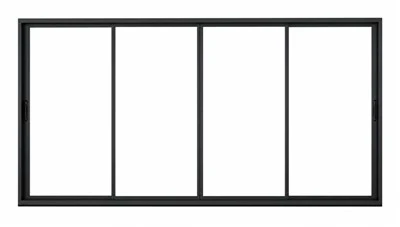
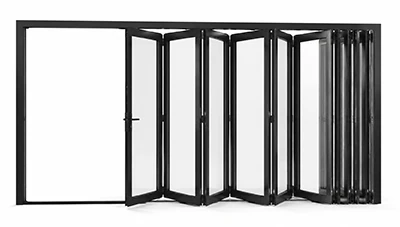
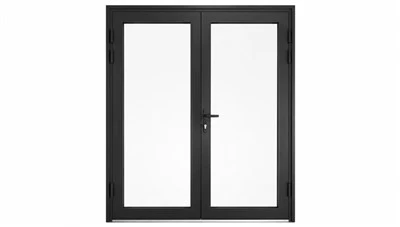
Why are Folding Doors so Expensive?
Introduction:
Folding doors, also known as accordion doors or bi-fold doors, have gained popularity in modern interior design for their flexibility and aesthetic appeal. These doors provide a unique solution for dividing spaces in residential and commercial environments. However, many people are often surprised by the high price tag attached to folding doors. In this article, we will explore the factors that contribute to the expense of folding doors and understand why they can be so costly.
The Materials Used:
One significant factor influencing the cost of folding doors is the materials used in their construction. High-quality folding doors are typically made from premium materials, such as solid wood, aluminum, or glass. These materials are chosen for their durability, strength, and aesthetic appeal. Solid wood doors, for example, are more expensive due to the quality and rarity of the wood used. Aluminum and glass doors, on the other hand, are pricier due to the manufacturing processes involved in shaping and tempering these materials. Thus, the choice of materials directly affects the overall cost of folding doors.
Manufacturing Process:
The manufacturing process of folding doors is an intricate and labor-intensive task. Each component of the door, including the frame, panels, hinges, and tracks, requires precision engineering and skilled craftsmanship. Specialized machinery and tools are needed to ensure accuracy and quality during manufacturing. Additionally, folding doors may undergo various treatments such as staining, painting, or sealing, which add to the overall cost. The extensive process and the specialized skills required contribute significantly to the high price of folding doors.
Design and Customization:
Folding doors offer a wide range of design options to suit different architectural styles and personal preferences. Customization is a key selling point for folding doors, as homeowners often desire a unique and personalized touch. However, the cost of customizing folding doors can be quite high. Tailoring the doors to fit specific dimensions, incorporating specific materials, finishes, or hardware, all contribute to the price. Moreover, intricate designs, such as custom patterns or decorative glass panels, require additional effort and expertise, further driving up the cost. Therefore, the level of design and customization desired by the consumer directly impacts the overall price of the folding doors.
Installation and Hardware:
The installation process of folding doors is complex and requires professional expertise. Unlike traditional doors, folding doors need to be properly aligned, adjusted, and balanced to ensure smooth operation. Improper installation can lead to functionality issues, such as sticking or uneven closing, which can be both frustrating and costly to rectify. The hardware used in folding doors, including hinges, tracks, and handles, also contributes to their overall price. High-quality hardware ensures the durability and longevity of the doors, which comes at a higher cost. Therefore, the installation process and the quality of hardware significantly affect the final price of folding doors.
Brand and Reputation:
The reputation and brand name of the manufacturer also influence the cost of folding doors. Well-established and reputable brands often charge higher prices due to their track record of quality and customer satisfaction. These manufacturers invest in research and development, utilize advanced technologies, and conduct rigorous testing to ensure their products meet industry standards. Consumers are often willing to pay a premium for the assurance of superior craftsmanship, reliability, and customer service. Thus, brand reputation is an inherent factor in the pricing of folding doors.
Economy and Market Demand:
Like any other product, the cost of folding doors is also influenced by the principles of supply and demand. When the demand for folding doors is high, manufacturers can increase their prices. Economic factors, such as the availability and cost of raw materials, labor, and manufacturing equipment, also impact the overall price. In addition, factors like inflation and currency fluctuations can affect the cost of importing or exporting folding doors. The influence of these economic and market factors cannot be overlooked when determining the price of folding doors.
Conclusion:
In conclusion, the high cost of folding doors can be attributed to several factors. The materials used, manufacturing process, design customization, installation requirements, hardware quality, brand reputation, and economic factors all contribute to their hefty price tags. While the expense may deter some, it is important to consider the durability, functionality, and aesthetic advantages that folding doors offer. Ultimately, the decision to invest in folding doors should be based on an understanding of their value and ability to enhance the beauty and functionality of the living or working space.