What is the difference between side hung and top hung windows?
Windows are a crucial aspect of any building, allowing natural light to illuminate our living spaces and providing ventilation. Among the various types of windows available today, side hung and top hung windows are two popular options. While both serve the same purpose of allowing fresh air and natural light to enter a room, they differ in terms of design, functionality, and suitability for different settings. In this article, we will delve into the details of side hung and top hung windows, highlighting their differences and discussing their distinctive features.
Side Hung Windows:
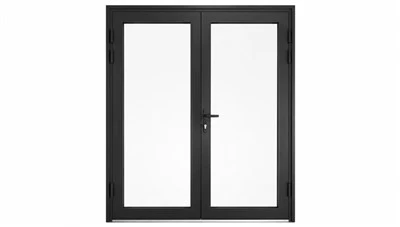
Side hung windows, also known as casement windows, have been in use for centuries. They are hinged vertically on the side and can be opened either inwards or outwards. This design allows the window to swing open like a door, creating a larger opening for ventilation and ease of cleaning. Side hung windows are generally operated through a handle or a crank mechanism, allowing for easy opening and closing.
One of the notable advantages of side hung windows is their excellent sealing capabilities. When fully closed and locked, these windows offer exceptional resistance against drafts, making them suitable for areas with extreme weather conditions. Moreover, side hung windows provide a better view compared to some other types of windows, as the framing is minimalistic.
Top Hung Windows:
Top hung windows, also referred to as awning windows, have gained popularity over the years due to their unique design and functionality. These windows are hinged at the top and open outward from the bottom, creating an awning-like structure. The opening of a top hung window is controlled by a handle or a crank mechanism, allowing the window to stay open at various positions. This design enables efficient ventilation while keeping the window protected from rain, as the outward opening creates a natural barrier.
One of the key features of top hung windows is their ability to provide ventilation even during light rain showers. The outward opening prevents rainwater from entering the room while allowing fresh air to circulate. Additionally, top hung windows offer enhanced security, as the hinges are located at the top and cannot be easily tampered with from the outside.
Installation and Design Differences:
When it comes to installation, side hung windows are commonly seen in residential settings. They are suitable for both new constructions and replacement projects, offering flexibility in terms of installation options. Side hung windows can be installed as single windows or combined into larger sets, providing various design possibilities.
On the other hand, top hung windows are frequently installed in areas where space is limited, such as bathrooms and kitchens. Their outward-opening design allows for better utilization of space, as it does not obstruct the room when open. Due to their smaller size and functional benefits, top hung windows are often chosen for modern and contemporary architectural designs.
Functionality and Suitability:
In terms of functionality, side hung windows are known for their ease of operation. The handle or crank mechanism allows users to open and close the windows effortlessly. They are also relatively easy to clean, as the full opening facilitates access to both the interior and exterior glass surfaces. Side hung windows are suitable for those who prioritize unobstructed views and efficient airflow control.
Top hung windows, on the other hand, provide superior ventilation capabilities. The inward opening of side hung windows can be limited by furniture or other objects placed near the window, but top hung windows can be opened regardless of the room layout. Moreover, the design of top hung windows ensures rainwater naturally runs off the exterior surface, reducing the need for frequent cleaning.
Energy Efficiency and Insulation:
Both side hung and top hung windows can contribute to the energy efficiency of a building, but there are some differences in their insulation capabilities. Side hung windows, when properly closed and sealed, offer better protection against air leakage, making them more energy-efficient. The vertical closing action of side hung windows allows for tighter seals and minimizes the risk of drafts.
Top hung windows, while not as tightly sealed as side hung windows, still provide good insulation properties. The overlapping design when closed helps prevent air infiltration, thus reducing heat gain or loss. However, it is important to note that the insulation performance of a window depends on factors such as the quality of installation, glass type, and the overall sealing of the frame.
Conclusion:
In conclusion, side hung and top hung windows offer different advantages and are suitable for various applications. Side hung windows provide optimal sealing capabilities, unobstructed views, and ease of operation, making them a popular choice for residential settings. On the other hand, top hung windows excel in ventilation, rain protection, and space optimization, making them a great option for bathrooms and kitchens.
Ultimately, the choice between side hung and top hung windows depends on individual preferences, architectural requirements, and the specific needs of the space. Whether you prioritize energy efficiency, unobstructed views, or excellent ventilation, both types of windows can fulfill these requirements in their own distinctive ways.