Thickness
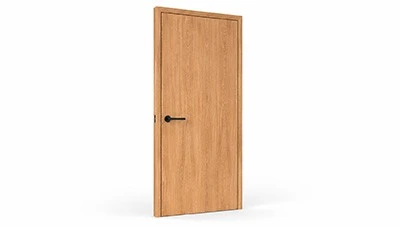
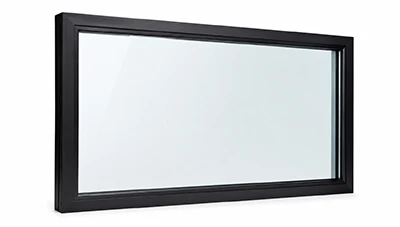
There are two types of aluminum alloy sliding doors, 70 series and 90 series. For aluminum alloy sliding doors in residential buildings, 70 series can be used. The series number indicates the thickness of the door frame in millimeters of construction dimensions. There are four types of aluminum alloy sliding windows: 55 series, 60 series, 70 series and 90 series. The series selection should be based on the size of the window opening and the local wind pressure value. Aluminum alloy sliding windows used for enclosed balconies should be no smaller than 70 series.
Strength
The tensile strength should reach 157 Newtons per square millimeter and the yield strength should reach 108 Newtons per square millimeter. When purchasing, you can bend the profile appropriately with your hands, and it should return to its original shape after letting go.
Chroma
The color of the same aluminum alloy profile should be consistent. If the color difference is obvious, it is not suitable to purchase.
Flatness
Check the surface of the aluminum alloy profile. There should be no dents or bulges.
Gloss
For aluminum alloy doors and windows, avoid purchasing profiles with open bubbles (white spots) and ash (black spots) on the surface, as well as obvious defects such as cracks, burrs, and peeling.
Degree of oxidation
The thickness of the oxide film should reach 10 microns. When purchasing, you can lightly scratch the surface of the profile to see if the oxide film on the surface can be wiped off.